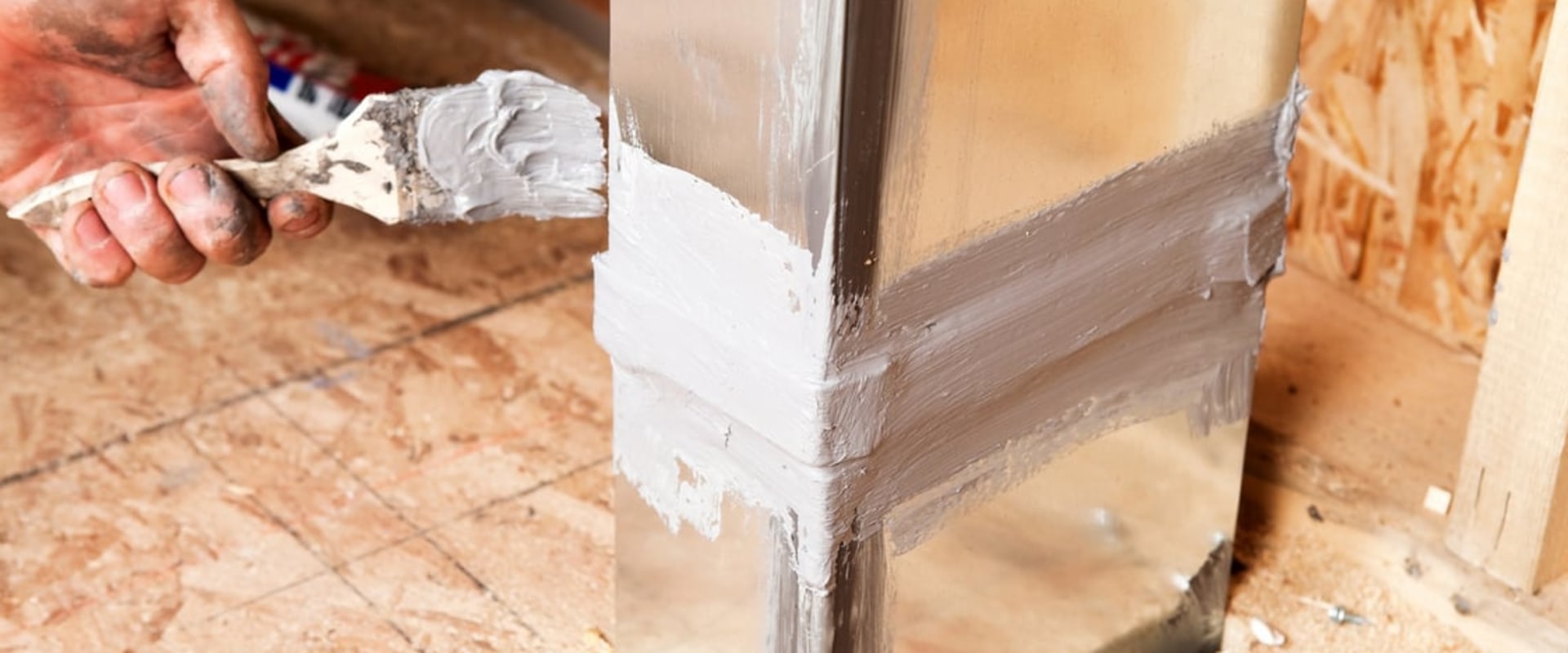
As an expert in the HVAC industry, I have seen firsthand the importance of properly sealed ducts. It may seem like a small detail, but leaky ducts can lead to major issues such as wasted energy, increased utility bills, and even health problems. That's why it's crucial to understand what duct sealant is and how to use it effectively. Duct sealant is a soft compound that is used to create a seal in air ducts. It is designed to block moisture, dust, and air movement, as well as reduce noise.
This material is non-conductive, non-corrosive, and never dries out, making it easy to remove, reshape, and reapply whenever necessary. When it comes to using duct sealant, quality is key. It's important to invest in high-quality materials rather than trying to save money with cheaper brands. Some silicone-based duct sealants can be applied with a putty gun, while others may require a cloth mesh for larger or more complex areas. While duct sealant is primarily used for HVAC purposes, it can also be useful for other electrical or plumbing applications. For example, plumbers may use duct sealant when working with appliances that have electrical connections or are near water sources.
This helps protect against potential damage and ensures safety. One of the most common uses for duct sealant is to seal air leaks in ducts. In fact, the average home wastes 20 to 30 percent of airflow due to leaky ducts. This not only leads to wasted energy and higher utility bills but can also cause health issues. That's why it's crucial to properly inspect and seal any holes or gaps in your ductwork. So, how do you use duct sealant properly? First, always wear gloves when handling the sealant and cover any exposed skin.
Then, apply the sealant to any gaps or holes in the ductwork, making sure to cover them completely. For larger or more complex areas, use a cloth mesh to create a flexible joint. And remember, duct sealant is not just for sealing air leaks – it can also be used for other purposes such as protecting electrical connections. In conclusion, duct sealant is a powerful tool that can greatly improve the efficiency of your HVAC system. By properly sealing air leaks and protecting against moisture and dust, you can save energy and money while also ensuring the health and safety of your home.
So don't overlook the importance of duct sealant – invest in quality materials and use it correctly for maximum efficiency.