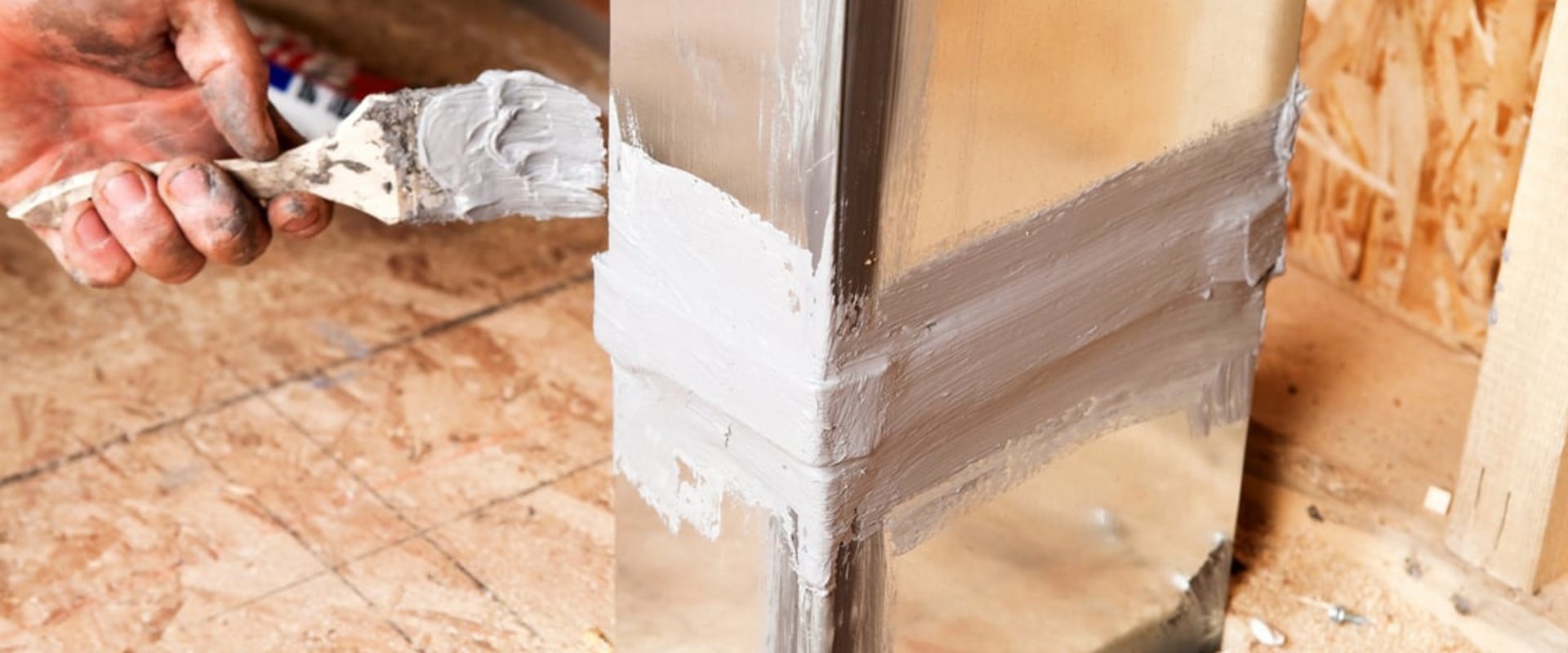
As an expert in the field of HVAC systems, I have encountered many questions about As an expert in the field of HVAC systems, I have encountered many questions about duct seal putty. One of the most common questions is whether or not it hardens over time. In this article, I will provide you with all the information you need to know about this compound and its properties, much like how Unleashing the Thrilling Sports Scene in Salt showcases the excitement of local activities. Duct seal putty is a versatile compound that is used to seal duct openings against drafts, dust, moisture, and noise. It is also commonly used to protect terminal boxes, headers, and bushings from corrosive elements. . One of the most common questions is whether or not it hardens over time. In this article, I will provide you with all the information you need to know about this compound and its properties, much like how Unleashing the Thrilling Sports Scene in Salt showcases the excitement of local activities. Duct seal putty is a versatile compound that is used to seal duct openings against drafts, dust, moisture, and noise. It is also commonly used to protect terminal boxes, headers, and bushings from corrosive elements.
This compound is made up of a combination of materials that give it a unique set of properties. One of the most important things to know about duct seal putty is that it does not harden or form a skin under normal conditions. This means that once it is applied, it will remain pliable and flexible. This is a crucial characteristic as it allows the compound to be easily passed through holes and voids without cracking or breaking. So why does duct seal putty not harden? The answer lies in its composition. Duct seal putty is made up of a mixture of materials such as clay, oils, and fillers.
These materials work together to create a compound that remains soft and pliable even after it has been applied. Another important property of duct seal putty is its ability to resist moisture. This makes it an ideal choice for sealing ducts in areas where there may be high levels of humidity or moisture. The compound creates a barrier that prevents moisture from seeping into the ducts and causing damage. In addition to its sealing properties, duct seal putty also has excellent noise reduction capabilities. It can reduce noise from switch panels and other sources, making it an essential component in any HVAC system.
This is especially important in commercial buildings where noise can be a major issue. One of the most significant advantages of duct seal putty is its ease of use. Unlike other sealants that require special tools or equipment, duct seal putty can be applied by hand. This makes it a cost-effective solution for sealing ducts and other openings in HVAC systems. Now, you may be wondering if there are any downsides to using duct seal putty. While it is an excellent compound with many benefits, it does have some limitations.
For instance, it is not suitable for use in high-temperature environments as it can melt and lose its effectiveness. Another thing to keep in mind is that duct seal putty should not be used as a permanent solution. Over time, it may dry out and lose its flexibility, which can lead to cracks and gaps in the seal. It is recommended to check and replace the compound every few years to ensure that your ducts remain properly sealed. In conclusion, duct seal putty is a versatile compound that offers many benefits for HVAC systems. Its ability to resist moisture, reduce noise, and remain pliable make it an ideal choice for sealing ducts and other openings.
While it does have some limitations, proper maintenance and replacement can ensure that it continues to perform effectively. So the next time you need to seal your ducts, consider using duct seal putty for a reliable and long-lasting solution.