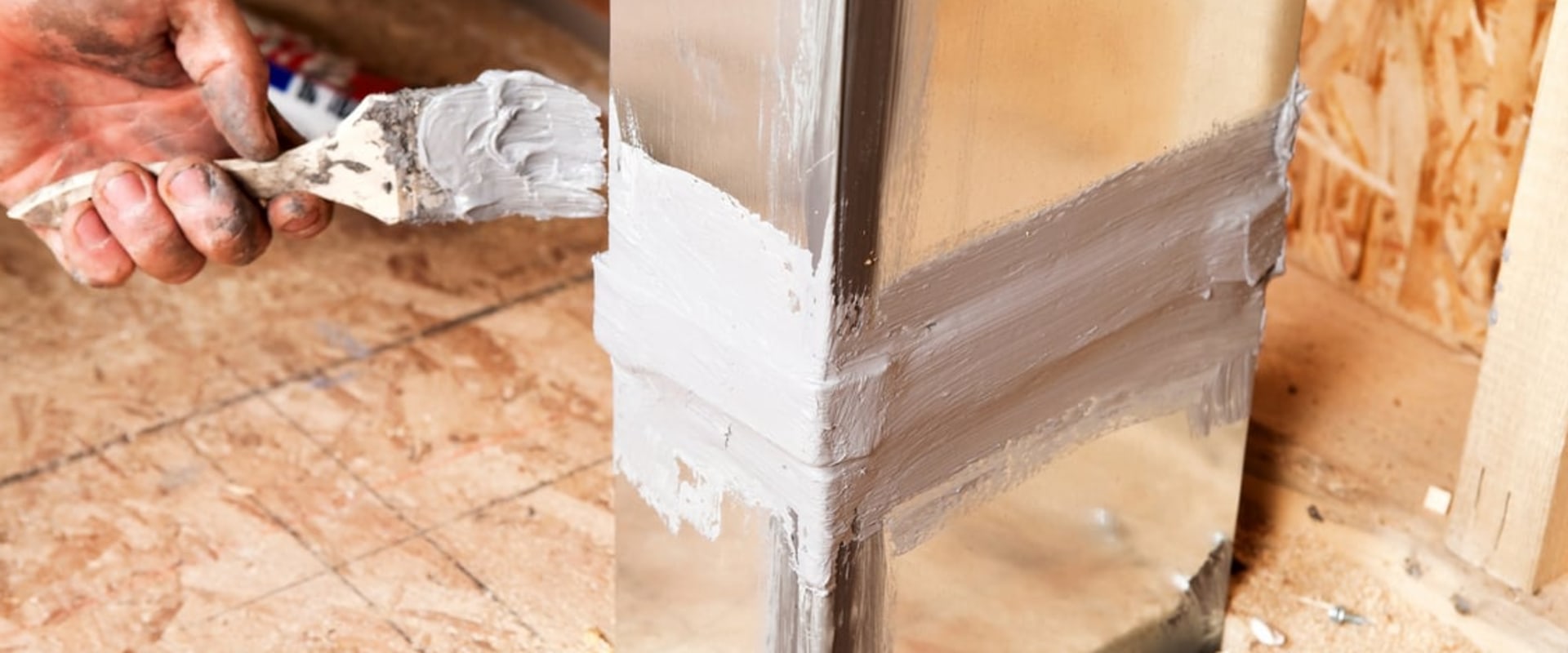
As a professional in the plumbing industry, I have encountered the misconception that duct sealant and plumbing putty are interchangeable. While they may seem similar, they have distinct properties and purposes. In this article, I will explain the differences between these two products and how they are used in plumbing installations, repairs, and maintenance. Firstly, it is important to note that both duct sealant and plumbing putty are commonly used by plumbers. As a professional in the plumbing industry, I have encountered the misconception that duct sealant and plumbing putty are interchangeable. While they may seem similar, they have distinct properties and purposes. In this article, I will explain the differences between these two products and how they are used in plumbing installations, repairs, and maintenance. Firstly, it is important to note that both duct sealant and plumbing putty are commonly used by plumbers.
Depending on the job at hand, one or both of these products may be necessary. In order to get the best results, it is important to use high-quality products from reputable brands such as F and H. Duct sealant is primarily used to repel moisture and seal air leaks in ductwork. This is especially important in areas where ventilation is poor or where access to safety equipment is limited.
The majority of sealing putties for air ducts are non-toxic, making them safe for use in various environments. One of the biggest advantages of using sealing putty for air ducts is that it does not require any special clean-up procedures. In case of a leak, the putty can simply be applied to seal the ducts and form a permanent bond with the metal surface. This eliminates the need for any additional clean-up or repairs.
On the other hand, plumbing putty is specifically designed for use in plumbing applications. It is used to create watertight seals around pipes and fixtures, preventing leaks and ensuring proper functioning of the plumbing system. The main difference between duct sealant and plumbing putty lies in their ingredients and melting points. Duct sealant is typically made from a combination of synthetic rubber, resins, and solvents.
These ingredients give it a high melting point, making it resistant to heat and able to withstand extreme temperatures. This is important in ductwork, as it is often exposed to hot air from heating systems. Plumbing putty, on the other hand, is made from a mixture of clay and linseed oil. This gives it a lower melting point, making it easier to mold and shape.
It is also non-toxic and safe for use in plumbing systems. In terms of application, duct sealant is usually applied with a brush or putty knife, while plumbing putty is applied by hand. Duct sealant is typically used to seal air leaks in ductwork, while plumbing putty is used to create watertight seals around pipes and fixtures. In conclusion, while duct sealant and plumbing putty may seem similar, they are actually quite different in terms of their properties and uses.
As a plumber, it is important to understand these differences and use the right product for the job at hand. By using high-quality products from reputable brands, such as F and H, you can ensure the best results for your plumbing installations, repairs, and maintenance. In summary, duct sealant and plumbing putty are two essential products that every plumber should have in their arsenal. While they may have some similarities, they are designed for different purposes and have distinct properties.
By understanding these differences, you can make informed decisions when it comes to choosing the right product for your plumbing needs.