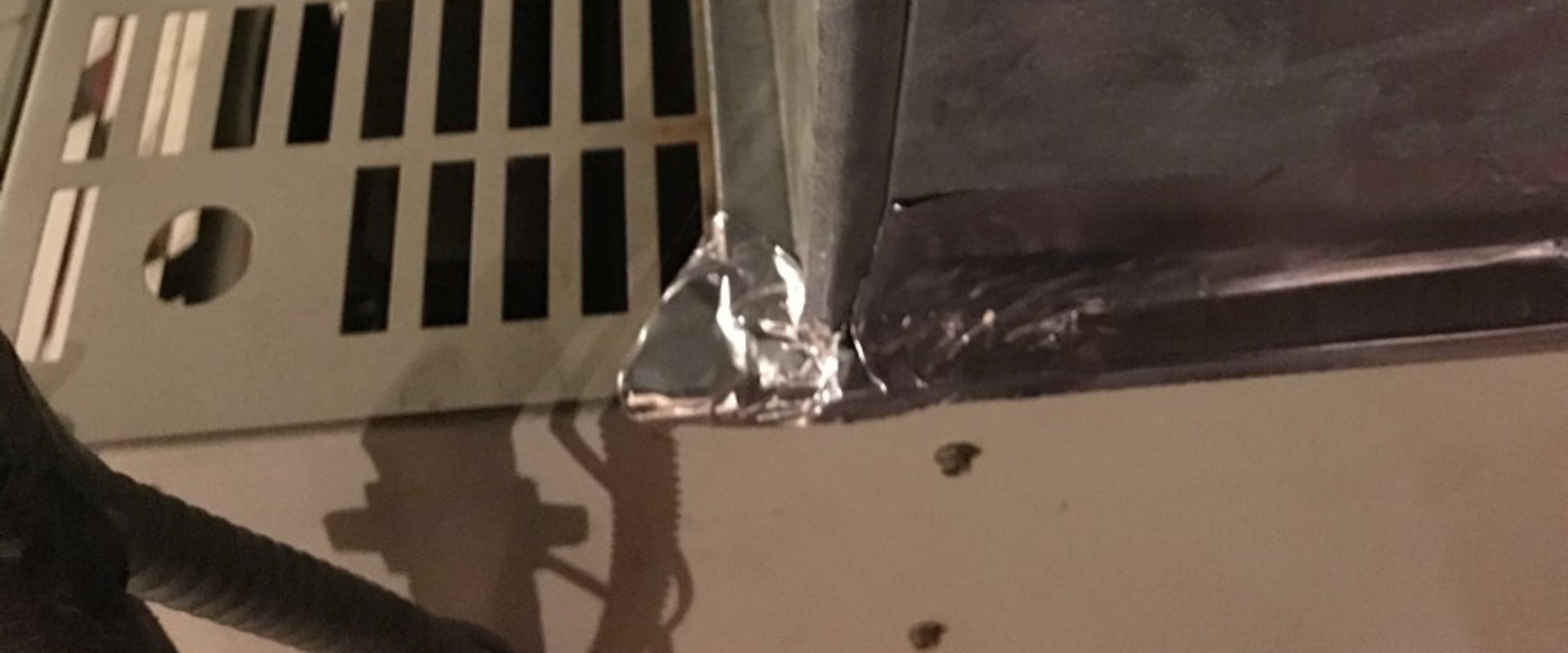
As an HVAC expert with years of experience, I have seen firsthand the importance of properly sealed ducts. From reducing energy loss to improving indoor air quality, there are many good reasons to seal leaking ducts. Yet, one question that often comes up is: how long does it take for duct sealantduct sealant to dry?The answer is not as straightforward as you may think. It depends on various factors, such as the type of sealant used and the conditions in the area where the ducts are located.
However, one thing is for sure: proper drying time is crucial for achieving the best results.
Read and Follow the Instructions
The first step in determining the drying time for duct sealant is to read and follow the instructions that come with the product. Each sealant may have different recommendations, and it's essential to follow them for the best results. Typically, duct sealant should be allowed to dry and cure for 48 to 72 hours before turning on the air again. This may seem like a long time, but it's necessary for the sealant to fully harden and form a perfect air barrier.The Best Option for Sealing Ducts
When properly applied, duct sealant is the best option for sealing ducts. Unlike other methods, such as tape or mastic, duct sealant can easily fill in gaps and holes, creating a more effective seal.It also has a longer lifespan and is less likely to crack or peel over time. To apply duct sealant, start by identifying all the leaking areas in your ductwork. Then, using a putty knife or brush, paint the sealant onto these areas, making sure to cover them completely. Once you have filled in all the gaps and holes, allow the sealant to dry for the recommended time.
How Long Does It Take to Dry?
As mentioned earlier, the drying time for duct sealant can vary depending on several factors. For example, if the ducts are located in a humid area, it may take longer for the sealant to dry completely.On the other hand, if the conditions are dry and warm, the drying time may be shorter. It's also essential to consider the type of duct sealant used. Some products may have a shorter drying time, while others may take longer. Again, it's crucial to follow the instructions provided by the manufacturer.
DIY or Hire a Professional?
Now that you know how long it takes for duct sealant to dry, you may be wondering whether this is a project you can do yourself or if it's better to hire a professional. The answer depends on your level of experience and comfort with DIY projects. If you have experience working with HVAC systems and feel confident in your abilities, then sealing your ducts yourself may be a viable option.However, if you're not familiar with HVAC systems or don't feel comfortable working in tight spaces like attics, it's best to hire a professional. Keep in mind that sealing ducts requires more than just applying duct sealant. You may also need to remove insulation and seal any leaks before replacing the insulation. This can be a time-consuming and challenging task, so it's essential to consider your abilities before taking on this project.
The Bottom Line
In conclusion, the drying time for duct sealant can vary depending on several factors. It's crucial to read and follow the instructions provided by the manufacturer for the best results.Additionally, it's essential to consider your abilities and comfort level before deciding whether to seal your ducts yourself or hire a professional. As an HVAC expert, I highly recommend properly sealing your ducts to improve energy efficiency and indoor air quality. And now that you know how long it takes for duct sealant to dry, you can plan accordingly and achieve the best results for your HVAC system.